Sunday, February 2, 2014
Tow #17- Best Life Magazine Article/ "Plastic Ocean"/ Susan Casey
What happens to all the things we throw out? And more importantly, what happens to all the things we think we throw out? Not what most would think- large quantities of trash, particularly plastic, end up in the world's oceans. In her 2007 article, "Plastic Ocean", writer Susan Casey brings to attention environmental issues associated with recycling, trash, animal life, and the future of our planet as an attempt to inspire readers to make a change in what they throw out and "recycle". She does this through the use of exemplification, appeals to logos, and personal anecdotes.
In the beginning of her article, Casey introduces a sea captain named Charles Moore with a passion for saving the planet and cleaning up trash. Her anecdotes on his life and experiences around the world's oceans, in California, and in the North Pacific Subtropical gyre, or "Eastern Garbage Patch" introduce readers to the concerns of the article. This area of ocean is one of about 5 that contain unheard of amounts of trash, resembling seas of garbage. All in all, these areas make up 1/4 of our planet's surface. Moore's in this tragic area grab the readers' attention from the beginning and then mix with statistics to make a very thorough, almost inspiring article.
While the statistics mix with Moore's examples and anecdotes, they also provide information about why all the trash and plastic in the gyre are a problem- for our health, the earth' health, and animals' health. Casey gives a detailed overview of what many of the plastics in production today can do to our health, as carcinogens and resource-wasters. She urges readers to think about the amount of trash they throw out, and educates them on what really gets recycled from what they put in the recycling bin. By the end, Casey;s article turns from entertaining to educating and becomes, if possible, even more serious. Casey establishes her credibility as a writer and fellow human being on planet Earth while educating and inspiring people to care about what they put in the trash can at the same time, arguing, if "our oceans are turning to plastic, are we"?
Casey, Susan. "Plastic Ocean." Love for Life. Best Life Magazine, 20 Feb. 2007. Web. 02 Feb. 2014.

Sunday, January 19, 2014
Tow #16- IRB/ "The Telling Room: A Tale of Love, Betrayal, and the World's Greatest Piece of Cheese"/ Paterniti
To some, the greatest nonfiction pieces are the ones that don't seem like nonfiction reports, but like other genres. Nonfiction's negative connotation makes it unappealing to some, and any time it can be made more fictional, the better. Michael Paterniti' memoir The Telling Room is one of these books that becomes more fictional, though in reality, it's nonfiction.
Paterniti does this throughout the book, but especially later on, through the use of footnotes. From the start, the footnotes offer historical background, the author's opinions, and any other information that doesn't need to be included in the actual text of the memoir. But as the story of Paterniti and the cheese unfolds further, the footnotes become the more nonfiction aspect of the book, and the official text more a retelling of the cheese-maker, Ambrosio's, story. Paterniti's writing also becomes very descriptive as he begins to share Ambrosio's tale. Previously in the book, the Paterniti uses descriptions to characterize himself and other people in the memoir; later, he uses it to explain his characterization and development of the setting, as if he left parts out and is making the story clearer. It has an interesting effect, and makes for a definite transition in the story between dialogue and Paterniti's thoughts.
Over all, the book has a somewhat dramatic, whimsical feel, as if the author simply wants to entertain his readers. However, there are also moments when he shares what he has learned, maybe with the hope he can convey this knowledge to others and make his writing mean something. It makes an otherwise fun and "non-serious" memoir become more professional and is a credit to Paterniti as a writer because of how it creates a tone of importance. Maybe the readers are meant to feel like they've done something both enjoyable and thought-provoking with their time by reading this book. Whatever the reason, The Telling Room is more than just a nonfiction book- it is the story of part of someone's life, and makes its readers feel connected to the story. While it talks about an experience, it is an experience in an of itself.
Paterniti does this throughout the book, but especially later on, through the use of footnotes. From the start, the footnotes offer historical background, the author's opinions, and any other information that doesn't need to be included in the actual text of the memoir. But as the story of Paterniti and the cheese unfolds further, the footnotes become the more nonfiction aspect of the book, and the official text more a retelling of the cheese-maker, Ambrosio's, story. Paterniti's writing also becomes very descriptive as he begins to share Ambrosio's tale. Previously in the book, the Paterniti uses descriptions to characterize himself and other people in the memoir; later, he uses it to explain his characterization and development of the setting, as if he left parts out and is making the story clearer. It has an interesting effect, and makes for a definite transition in the story between dialogue and Paterniti's thoughts.
Over all, the book has a somewhat dramatic, whimsical feel, as if the author simply wants to entertain his readers. However, there are also moments when he shares what he has learned, maybe with the hope he can convey this knowledge to others and make his writing mean something. It makes an otherwise fun and "non-serious" memoir become more professional and is a credit to Paterniti as a writer because of how it creates a tone of importance. Maybe the readers are meant to feel like they've done something both enjoyable and thought-provoking with their time by reading this book. Whatever the reason, The Telling Room is more than just a nonfiction book- it is the story of part of someone's life, and makes its readers feel connected to the story. While it talks about an experience, it is an experience in an of itself.
Sunday, January 12, 2014
Tow #15- Discover Magazine Article/"The Worst Mistake in the History of the Human Race"/Jared Diamond
When most people think of the first humans, they think of cavemen who eat wild buffalo and shelter in caves during the ice age, barely surviving through the invention of fire. Today, we as a species are grateful not to be the first humans, to have everything essential to survival basically figured out for us, in many cases. Jared Diamond's historically-based essay, "The Worst Mistake in the History of the Human Race" shares these ideas, but proposes that the first humans really weren't worse off as hunter-gatherers- they became worse off when they switched to farming, trading "quality for quantity". Diamond does this through appeals to logos and exemplification, making for a very scientific essay on how farming has ruined the healthy societies of the cavemen.
Right from the beginning, the author uses both appeals to logos and exemplification, along with general history, to explain how important and long-lasting the time of the hunter-gatherers was. He also begins to introduce how problems started with the addition of farming into humans' lives, and the gradual removal of hunting and gathering. Diamond uses a variety of examples, from Chilean mummies to ancient Greeks and Turks to examine the differences in height, age, disease, and population over the years agriculture has become popular around the world. He makes the point that farming may be able to support more people, but at a lower standard of living. Other statistics, along with current examples of hunter-gatherer societies show how even today, hunting and gathering is still healthy and profitable. Diamond keeps the essay serious, but thought-provoking, so that a variety of audiences can understand it, but still maintain historical background. The essay almost takes on a bias, making farming seem very negative while praising hunting and gathering profusely as the method of survival that should of stayed around.
Diamond, Jared. "The Worst Mistake in the History Ofthe Human Race." The Worst Mistake in the History of the Human Race. Discover Magazine, n.d. Web. 12 Jan. 2014.
Right from the beginning, the author uses both appeals to logos and exemplification, along with general history, to explain how important and long-lasting the time of the hunter-gatherers was. He also begins to introduce how problems started with the addition of farming into humans' lives, and the gradual removal of hunting and gathering. Diamond uses a variety of examples, from Chilean mummies to ancient Greeks and Turks to examine the differences in height, age, disease, and population over the years agriculture has become popular around the world. He makes the point that farming may be able to support more people, but at a lower standard of living. Other statistics, along with current examples of hunter-gatherer societies show how even today, hunting and gathering is still healthy and profitable. Diamond keeps the essay serious, but thought-provoking, so that a variety of audiences can understand it, but still maintain historical background. The essay almost takes on a bias, making farming seem very negative while praising hunting and gathering profusely as the method of survival that should of stayed around.
Diamond, Jared. "The Worst Mistake in the History Ofthe Human Race." The Worst Mistake in the History of the Human Race. Discover Magazine, n.d. Web. 12 Jan. 2014.
Sunday, January 5, 2014
Tow #14- The Atlantic Article/ "How Headphones Changed the World"/ Derek Thompson
Almost everyone likes music, and there are many types of music from which to choose. But probably one of the most important things about music is that it can be personal, unique, and create the kind of loneliness people like. According to journalist Derek Thompson in his article "How Headphones Changed the World", music, and by association, headphones, do all these things and more. They make music and other entertainment something people can do privately without needing friends for dancing, and they help people to relax, focus, and think clearly. Thompson argues that there are pros and cons to headphones' ability to enclose a person in their own little world, but regardless, that headphones have influenced everyone and the global culture of the world.
Thompson works to prove his point right from the start by comparing the pros and cons to listening to music in various situations. He argues that while music can be distracting or take away from productivity, it is more beneficial in the long run. He also employs the opinions of other famous journalists and writers when making his points about headphones and music in world society. This appeal to logos provides an appeal to ethos and makes the article both more credible and factual, which contrasts and supports the appeal to pathos that the author can create just be mentioning and simply describing music. Overall, however, exemplification is the backbone to Thompson's argument. Whether he is making an appeal to logos, pathos, or ethos, using imagery, or juxtaposing pros and cons, an example almost always follows, most of the time taking the form of a quote from one of his contemporaries or as detailed background on the first headphones or cultural life after the invention of headphones in the 20th century, for the Navy. Since Thompson laces his argument with this information, readers can't help learning something or becoming interested in something while reading the article.
Thompson, Derek. "How Headphones Changed the World." The Atlantic. The Atlantic, n.d. Web. 05 Jan. 2014.
Sunday, December 15, 2013
Tow #13 (Visual Text)- Back Cover of Disney Movie VHS Case/ Sleeping Beauty/ Walt Disney Home Video
Disney movies are classics because they remind many of their childhoods and are fun, family-friendly entertainment. Even in the 1950's, when Disney was a new company and had entered the film-making business recently, it was praised for its beautiful and adventurous films. The description on the back of the "Sleeping Beauty" VHS movie uses allusions and imagery to convince readers that "Sleeping Beauty" is another movie that will soon become a classic for all (which it has). Disney uses these rhetorical devices to appeal to pathos and make their movie connectable to their audience. Right from the start, the name Walt Disney alludes to some of Disney's very first films- "Cinderella" and "Snow White and the Seven Dwarfs", which were already on the way to becoming classics at the time. There are also allusions to Tchaikovsky when the description starts to talk about the music and character in "Sleeping Beauty". Alluding to famous movies and composers adds to the "magic" of the movie and connecting to more ideas of love. Tchaikovsky is famous for being an extremely dramatic composer from the Romantic Era of music and this reference to the composer of the "Nutcracker" adds drama and extra romance to the already traditional fairy tale. Disney also uses diction to create imagery of the movie before its audience even watches it. Words like "timeless", "masterpiece", "delightful", "enchanted", and "cherished" have positive connotations and help people to envision magic and classic fairy tales. The movie seems appealing, despite the fact that it could actually be quite scary for little kids due to Maleficent (and therefore, not family-friendly). The imagery also adds adventure to the movie's description, showing people that Disney's "Sleeping Beauty" is more than a traditional European folk tale. In fact, the success Disney had in marketing "Sleeping Beauty" is very similar to the marketing they use in their modern movies, but instead the classics include "Sleeping Beauty". Disney uses its description of "Sleeping Beauty" as reasoning for why "Sleeping Beauty" deserves to be part of a family's "video collection" and solidifies why Disney movies in general should be collected and celebrated be families for generations to come.


Sunday, December 8, 2013
Tow #12- IRB/ "The Telling Room: A Tale of Love, Betrayal, Revenge, and the World's Greatest Piece of Cheese"/ Paterniti
When we put our minds to something, great things can be accomplished. When something is on our mind, great things are imagined. This idea is the basis for The Telling Room,a memoir by Michael Paterniti. Paterniti, a writer curious about a rare Spanish cheese called Paramo de Guzman, decides to visit Spain with his wife, young son, and friends. In a desperate search for the cheese, Paterniti and his friend end up in Guzman, a small, sleepy village home to the family the used to make the cheese. Paterniti speaks with Ambrosio, the cheese maker, and learns about the village's history through visiting Ambrosio's "Telling Room". The village's "telling rooms" have been dug into the caves in the surrounding hills and are common place to the villagers to bond and share stories.
Paterniti weaves the majority of his story through personal anecdotes and examples. His memories of how he discovered Paramo de Guzman and his brief history of Ambrosio and family provide necessary context to the story that is both interesting and appeals to pathos in readers. This pathos helps readers to connect to Paterniti and become involved in the story. His anecdotes and appeals to pathos also add credibility and appeals to ethos. They are a testament to Paterniti as a writer and show the skill that made him famous for both his books, The Telling Room and Driving Mr. Albert. The appeals to ethos are made through powerful diction as well, which helps to add imagery and characterization to his story. Imagery and characterization in this book resemble that of many fiction books, which probably makes the book more appealing to younger readers like myself. Overall though, Paterniti uses humor to tie his appeals to pathos and ethos and imagery, diction and characterization together. It takes elements of great stories, novels and articles and blends them together to make a memoir; both fact and fiction-like story together as one.

Paterniti weaves the majority of his story through personal anecdotes and examples. His memories of how he discovered Paramo de Guzman and his brief history of Ambrosio and family provide necessary context to the story that is both interesting and appeals to pathos in readers. This pathos helps readers to connect to Paterniti and become involved in the story. His anecdotes and appeals to pathos also add credibility and appeals to ethos. They are a testament to Paterniti as a writer and show the skill that made him famous for both his books, The Telling Room and Driving Mr. Albert. The appeals to ethos are made through powerful diction as well, which helps to add imagery and characterization to his story. Imagery and characterization in this book resemble that of many fiction books, which probably makes the book more appealing to younger readers like myself. Overall though, Paterniti uses humor to tie his appeals to pathos and ethos and imagery, diction and characterization together. It takes elements of great stories, novels and articles and blends them together to make a memoir; both fact and fiction-like story together as one.
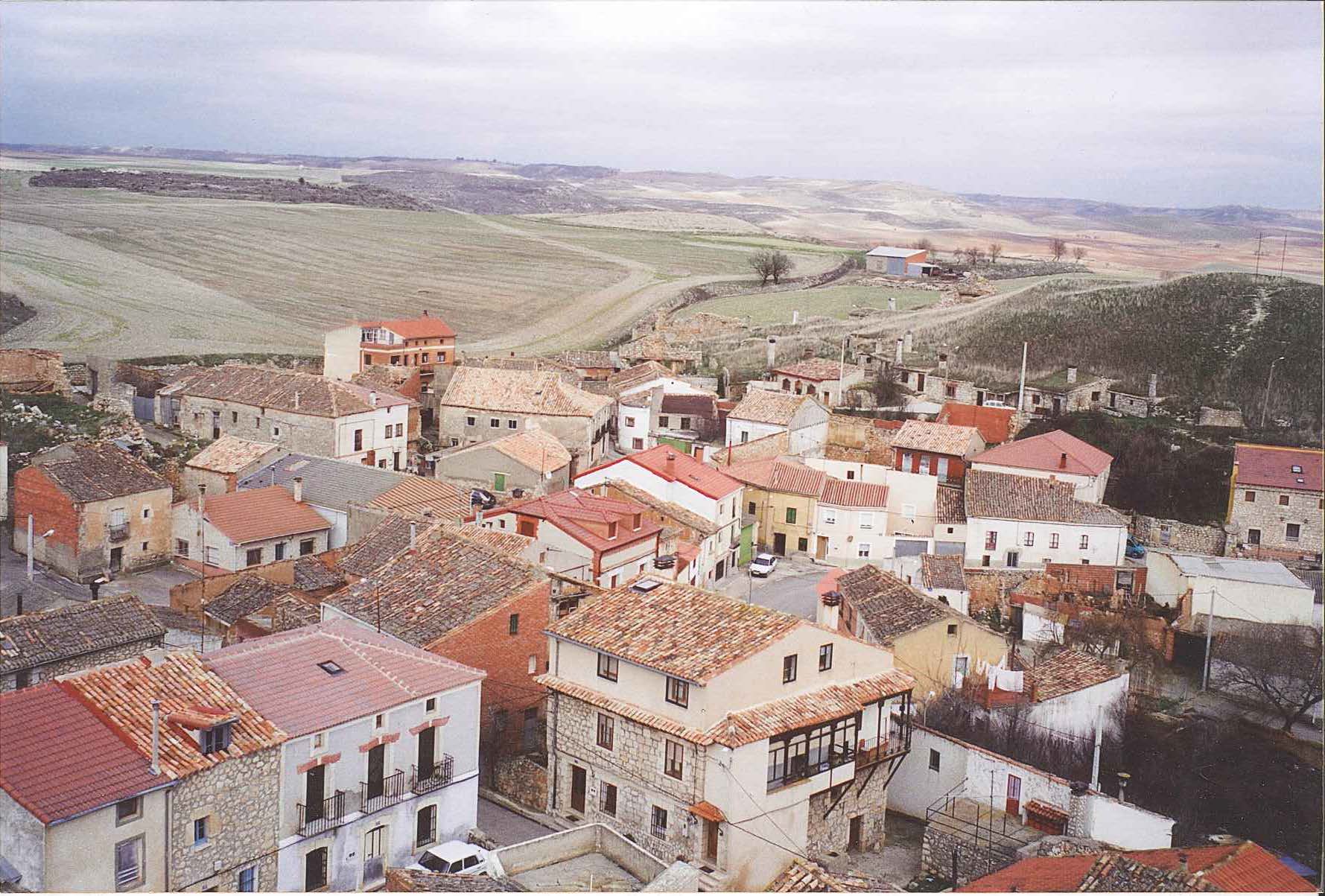
Guzman Spain. N.d. Photograph. Longfrom. Longform. Web. 8 Dec. 2013.
Monday, December 2, 2013
Tow #11- New York Times Article/ "Paula Deen's Cook Tells of Slights, Steeped in History"/ Kim Severson
For many, southern food is comfort food, and comfort is family. And in most cases, true family is not based on physical appearances or blood. It's the people you love and love to spend time with. For Dora Charles, a friend and cook for ex- Food Network star and legendary chef Paula Deen, this definition of family was not a complete reality. Deen may have treated Charles in a friendly way, made promises to her, or even called Charles her "soul sister", but there was no true family or true comfort involved. In her New York Times article, Kim Severson appeals to pathos and logos to convince readers of Deen's bad character and prove that her new notoriety is well-deserved.
Severson establishes pathos through examples of how Deen treated Charles. By telling readers that Paula Deen asked Dora Charles to wave a bell outside the restaurant as "a symbol of what we used to do back in the day", readers begin to pity Dora and others for the harsh things they were asked to do. Severson also works to convince readers that Paula Deen is unfaithful and breaks promises, another appeal to pathos, through quotes by Deen, Charles, other employees who work for Deen, and outside, professional figures. Deen apparently told Dora that "one day if I get rich, you'll get rich". Examples like these also tie to logos, because they are word-for-word factual accounts of Deen's wrong-doings. Many employees at Deen's restaurant "Lady and Sons" remember and testify that Deen asked another employee, Mrs. Jones, to dress as Aunt Jemima in order to gain more business. This factual appeal helps to portray Deen as unkind and deceitful, because the average Deen fan who watches the Food Network would not have expected her to act this way on tv.
Severson's use of examples to appeal to logos and pathos ruins Deen's credibility and personal appeal to ethos in society. She uses the appeals to prove that Paula Deen deserves to be remembered more as a villain than as a legendary star. The examples also convince readers, on a larger scale, that things are not always as they seem.
Severson, Kim. "Paula Deen's Cook Tells of Slights, Steeped in History." New York Times. New York Times Newspaper, 24 July 2013. Web. 1 Dec. 2013.
Subscribe to:
Posts (Atom)